Choosing the right raised floor supplier is one of the most critical decisions any project owner, consultant, or contractor can make. In Saudi Arabia’s rapidly evolving construction landscape—driven by Vision 2030 mega-projects, data center expansion, and smart city development—the supplier you select directly impacts your project’s timeline, budget, and long-term operational performance.
A raised floor in Saudi Arabia must perform under unique conditions: extreme temperatures, dusty environments, and demanding structural loads. Whether you are building a hyperscale data center in Riyadh, a commercial tower in Jeddah, or a government facility in Dammam, selecting the best raised floor supplier is not merely a procurement exercise—it is a strategic partnership decision.
This comprehensive guide explains how to evaluate and choose the right raised floor supplier for your project in 2026. We will cover critical selection criteria, common pitfalls to avoid, the advantages of local manufacturing, and why Specialized Flooring Systems Co. (SFS) stands out as a trusted Saudi manufacturer and supplier.
Why Choosing the Right Raised Floor Supplier Matters
Many buyers make the mistake of treating raised flooring as a commodity. They focus solely on price and assume all panels, pedestals, and accessories are essentially the same. This approach is dangerously short-sighted.
Choosing the wrong raised floor supplier can lead to:
-
Project delays due to unreliable delivery schedules
-
Structural failures from panels with inadequate load capacity
-
Cooling inefficiency due to poor airflow design or missing components
-
Costly replacements when low-quality materials degrade prematurely
-
Safety hazards from rocking panels or improperly secured pedestals
-
Lack of support when technical issues arise after installation
The reality is that a raised floor supplier is not simply a box shipper. They are a technical partner whose engineering expertise, quality standards, and support capabilities directly determine your project’s success.
The Growing Demand for Raised Floor Systems in Saudi Arabia
Saudi Arabia is experiencing unprecedented demand for raised floor systems across multiple sectors. Several factors drive this growth:
Vision 2030 Mega-Projects
NEOM, The Line, Red Sea Project, and the Riyadh metro area are setting new standards for smart infrastructure. These projects require buildings that can adapt to evolving technology, and raised floors are a fundamental element of that adaptability.
Data Center Expansion
The Kingdom is rapidly expanding its cloud and data center capacity. Raised floors are essential for managing dense cabling, enabling Underfloor Air Distribution (UFAD) for efficient cooling, and providing the accessibility required for 24/7 maintenance.
Smart Offices and Commercial Towers
Modern office spaces demand flexibility. Raised floors allow for quick reconfiguration of workstations, seamless technology upgrades, and clean cable management without disruptive construction.
Government and Technical Facilities
From command centers to research laboratories, Saudi government projects require secure, compliant, and adaptable infrastructure. Local sourcing of raised flooring supports national content goals and ensures compliance with Saudi building codes.
Healthcare and Industrial Facilities
Hospitals, pharmaceutical plants, and manufacturing facilities use raised floors to create clean, accessible pathways for medical gas lines, data networks, and electrical systems.
Characteristics of the Best Raised Floor Supplier
What separates a reliable raised floor supplier from an unreliable one? Look for these essential characteristics.
Manufacturing Capability
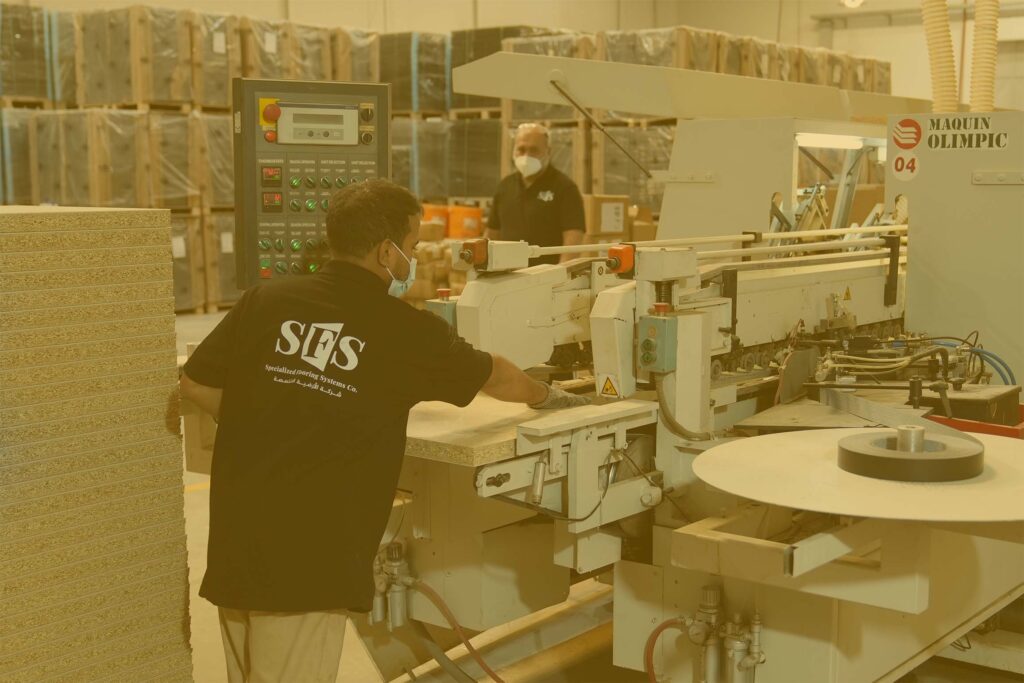
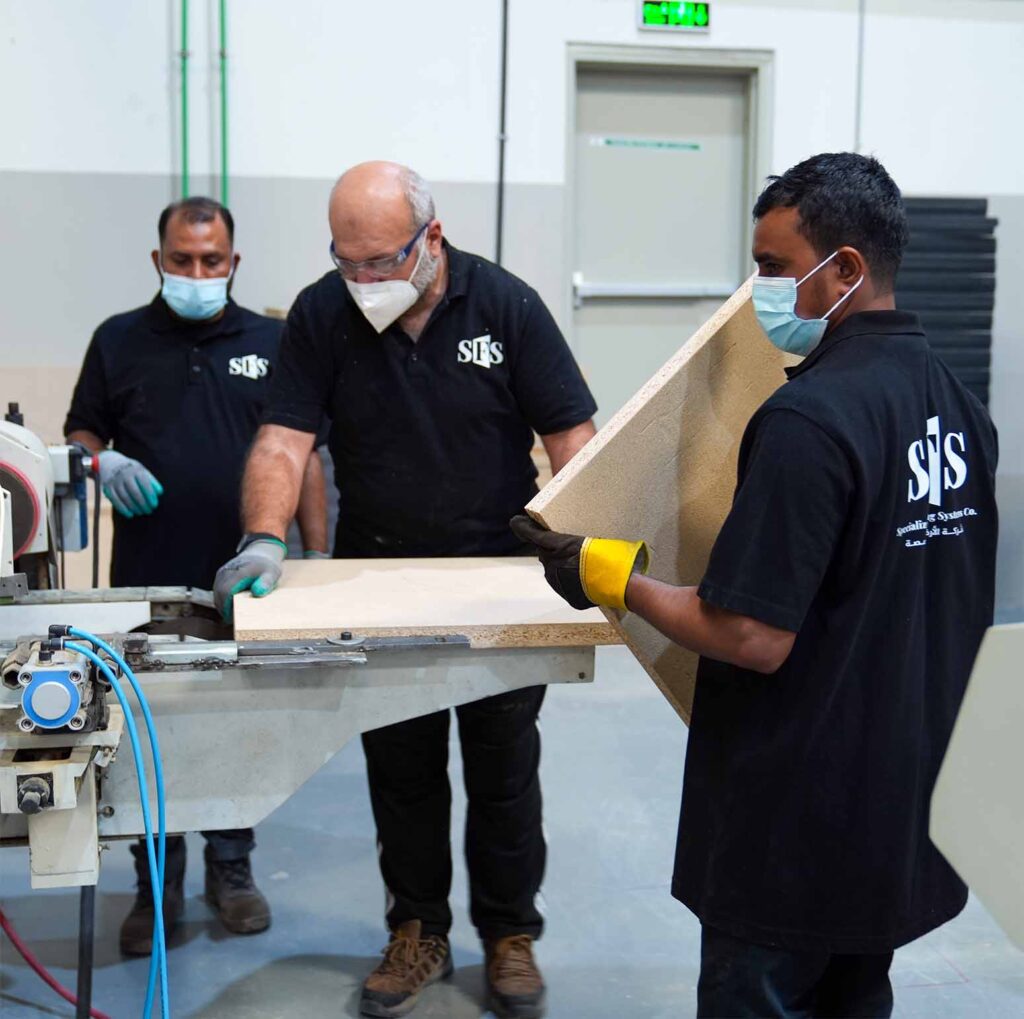
The best raised floor suppliers are also manufacturers. They do not simply assemble imported components; they produce panels, pedestals, and accessories from raw materials. This vertical integration ensures quality control, consistency, and supply chain reliability.
A true manufacturer can customize solutions for unique project requirements—non-standard panel sizes, special load ratings, or specific surface finishes. A pure distributor can only sell what is in stock.
Engineering Expertise
Does the supplier employ engineers who understand structural loads, airflow dynamics, and building codes? Can they provide load calculations, plenum design recommendations, and seismic ratings?
A supplier without engineering depth cannot deliver optimized solutions. The best raised floor suppliers offer engineering consultation from the design phase through installation.
Product Variety
A comprehensive product range is essential. The supplier should offer multiple panel types to match different applications:
-
Cementitious panels for high load capacity and fire resistance
-
Calcium sulphate panels for superior flatness and acoustic performance
-
Steel panels for maximum durability and moisture resistance
-
Anti-static panels for protecting sensitive electronics
-
Perforated panels for Underfloor Air Distribution (UFAD) systems
Quality Assurance and Certifications
Verify that products are tested to international standards. Look for compliance with:
-
EN 12825 (European raised access floor standard)
-
ISO 14644 (cleanroom compatibility)
-
ANSI/TIA-942 (data center infrastructure standard)
-
Saudi Building Code requirements
Documented load test reports, fire resistance certifications, and anti-static performance data should be available upon request. If a supplier cannot provide these, consider it a red flag.
Stock Availability and Lead Times
Can the supplier deliver standard panels within days, not months? Do they maintain local inventory? For projects in Saudi Arabia, a supplier with local stock eliminates the supply chain risks associated with international shipping delays, port congestion, and customs clearance.
Installation Support and After-Sales Service
Does the supplier provide installation supervision or training? Are spare parts available? Is there a dedicated support team for troubleshooting? The best raised floor suppliers offer end-to-end service—from design consultation to post-installation maintenance support.
Questions to Ask Before Choosing a Raised Floor Supplier
Use these questions to evaluate potential suppliers:
-
Are your products manufactured locally or imported?
-
Can you provide engineering support for load calculations and plenum design?
-
Are your panels tested to EN 12825 or equivalent standards?
-
Do you have documented load test reports, fire resistance certifications, and anti-static performance data?
-
What industries have you served in Saudi Arabia and the GCC?
-
Can you customize panel sizes, load ratings, or surface finishes?
-
What are your typical lead times for standard panels?
-
Do you provide installation supervision or certified installers?
-
Do you maintain local inventory of spare parts?
-
Do you have after-sales support and maintenance guidance?
The answers to these questions will reveal whether a supplier is merely a distributor or a genuine technical partner.
Common Mistakes When Choosing a Supplier
Choosing Based Only on Price
The cheapest quote rarely delivers the best value. Low-cost systems use lower-grade materials, have lower load capacities, lack certifications, and fail prematurely. Replacement costs far exceed initial savings.
Ignoring Manufacturing Capability
Many buyers assume all suppliers are manufacturers. In reality, many are distributors who purchase from overseas factories and resell. This adds cost and reduces control over quality and customization.
Overlooking Technical Support
After the sale, many suppliers disappear. No support for troubleshooting. No spare parts availability. No maintenance guidance. Problems become permanent.
Not Verifying Certifications
Failing to check certifications exposes you to counterfeit or substandard products. Always request documentation and verify it with independent sources if possible.
Forgetting Future Expansion
Specifying minimum load capacity or shallow plenum depth to save cost today makes future expansion expensive or impossible. Always specify for anticipated growth.
Why Local Manufacturing Makes a Difference
Choosing a raised floor supplier with local manufacturing capability—a true “raised floor in Saudi Arabia” producer—offers advantages that imported products simply cannot match.
Faster Delivery
Local manufacturing eliminates international shipping. No customs clearance delays. No port congestion. No weeks-long ocean freight. Standard panels can be delivered within days, not months.
Supply Chain Stability
Global supply chains are vulnerable to disruptions. Local manufacturing insulates your project from these risks. Raw materials are sourced regionally, and production continues regardless of international events.
Customization for Local Conditions
Solutions can be engineered for the local climate, seismic considerations, and specific client or regulatory requirements. This is particularly important in the Gulf region’s extreme heat and humidity.
Cost Efficiency
Importing raised flooring involves product cost, international freight, insurance, customs duties, and local transportation. Local manufacturing removes many of these layers, resulting in competitive pricing without compromising quality.
Easier Communication and Coordination
Time zones, language barriers, and cultural differences complicate international sourcing. Local manufacturing means face-to-face meetings, site visits, and real-time communication. Problems are solved faster. Decisions are made quicker.
Alignment with Vision 2030
Saudi Arabia’s Vision 2030 prioritizes local manufacturing, industrial development, and supply chain resilience. Choosing a local raised floor supplier directly supports these national objectives.
Why SFS is One of the Best Raised Floor Suppliers in Saudi Arabia
Specialized Flooring Systems Co. (SFS) has established itself as a trusted raised floor supplier and manufacturer in Saudi Arabia and the GCC. The company combines local manufacturing, engineering expertise, and project experience to deliver systems that perform reliably for decades.
Saudi Manufacturing Excellence
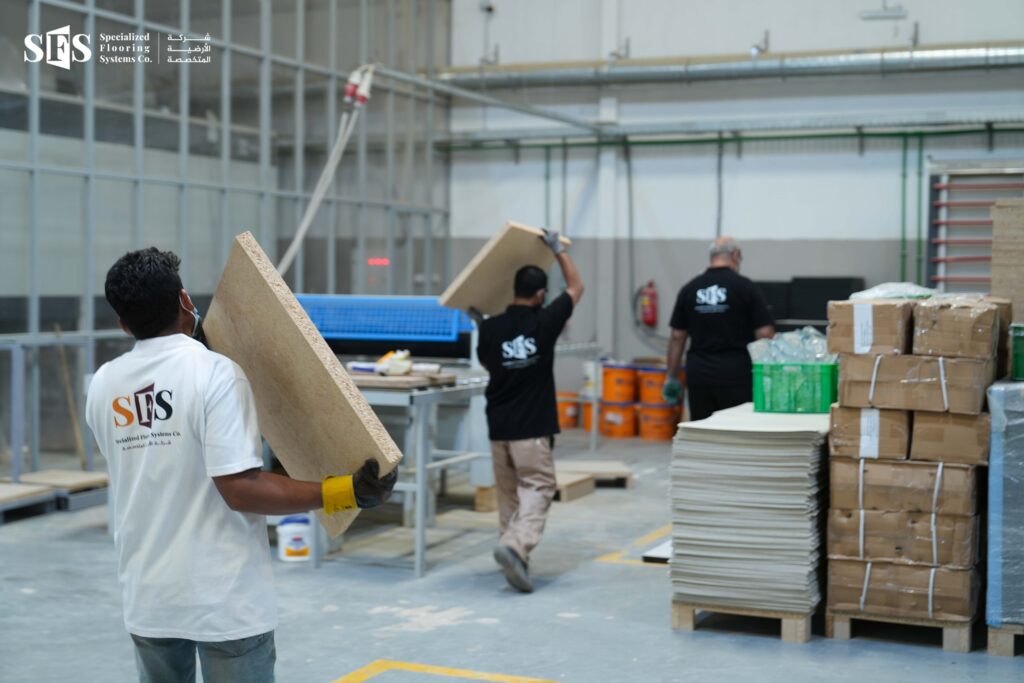
SFS operates advanced manufacturing facilities within the Kingdom. This local production capability ensures quality control, rapid customization, and lead times measured in days, not months. You are not dependent on international shipping schedules.
Comprehensive Product Range
SFS manufactures a full range of raised floor products:
-
Encapsulated panels for offices and light commercial applications
-
Steel panels for data centers, industrial facilities, and heavy equipment areas
-
Calcium sulphate panels for corporate headquarters, call centers, and cleanrooms
-
Anti-static panels for protecting sensitive electronics
-
Perforated panels for Underfloor Air Distribution (UFAD) systems
Engineering Expertise
The SFS team includes engineers who understand structural loads, airflow dynamics, seismic requirements, and regional building codes. They provide load calculations, plenum design recommendations, and compliance documentation.
Quality Assurance
Every panel is tested before leaving the factory. Load capacity, fire resistance, dimensional accuracy, and surface finish are verified against international standards (EN 12825, ISO 14644).
Proven Project Portfolio
SFS has successfully delivered raised flooring solutions for data centers, government ministries, financial institutions, and commercial towers across the GCC. Each project demonstrates their capability to handle complex requirements and demanding schedules.
Professional Installation Support
SFS provides installation supervision and technical support to ensure systems perform as designed. Proper installation is verified before handover.
After-Sales Support
From maintenance guidance to spare parts availability, SFS offers ongoing support throughout the system’s lifecycle.
Industries That Benefit from Raised Floor Systems
Data Centers
The most demanding application. Requires high load capacity (15 kN+), precision cooling via perforated panels, anti-static properties, and dense cable management.
Corporate Offices
Requires flexibility for reconfiguration, acoustic performance, aesthetic finishes, and easy access for technology upgrades.
Government Buildings
Demands compliance with Saudi regulations, high fire resistance, long-term durability, and secure infrastructure.
Banks and Financial Institutions
Trading floors and data rooms need anti-static protection, secure infrastructure, and zero downtime for maintenance.
Healthcare Facilities
Hospitals require seamless surfaces for infection control, accessible pathways for medical gas lines and data networks, and materials that withstand rigorous cleaning protocols.
Control Rooms
Mission-critical environments requiring zero downtime. Demands robust construction, anti-static protection, and immediate access for maintenance.
Smart Buildings
Integration with building automation systems, IoT sensors, and advanced networks requires modular infrastructure that can expand and adapt.
Frequently Asked Questions
1. What should I look for in a raised floor supplier?
Look for manufacturing capability, quality certifications (EN 12825), local presence, proven project experience, and robust after-sales support infrastructure.
2. What is the difference between a raised floor supplier and a raised floor manufacturer?
A supplier distributes products from various sources. A manufacturer designs, engineers, and produces their own panels, offering greater quality control and customization.
3. Why is local manufacturing important for raised floors in Saudi Arabia?
Local manufacturing offers faster delivery (days vs months), supply chain stability, cost efficiency, customization for local climate conditions, and alignment with Vision 2030 local content goals.
4. What certifications should a raised floor supplier have?
Look for EN 12825 (European raised access floor standard), ISO 14644 (cleanroom compatibility), ANSI/TIA-942 (data center infrastructure standard), and compliance with Saudi Building Code requirements.
5. Can raised floors support heavy equipment like server racks?
Yes. Data center-grade raised floors are specifically engineered for heavy loads. Panels are rated for concentrated loads of 12.5 kN, 15 kN, 20 kN, or higher.
6. What is the typical lifespan of a raised floor system?
With correct specification, professional installation, and proper maintenance, raised floor systems have a service life of 25 years or more.
7. How do I know if a raised floor supplier is reliable?
Check for documented quality certifications, request client references, review their project portfolio, and verify local inventory and technical support capabilities.
8. Does SFS provide installation services?
SFS provides installation supervision and technical support to ensure proper installation. For full turnkey projects, SFS can recommend or supply certified installation teams.
9. What affects raised floor pricing?
Panel core material (calcium sulphate and steel cost more than particleboard), load capacity (higher ratings cost more), surface finish (premium finishes add cost), and quantity (larger projects achieve economy of scale).
10. How quickly can SFS deliver raised flooring in Saudi Arabia?
Lead times vary by project scale and customization requirements. However, local manufacturing allows SFS to deliver standard panels within days—significantly faster than imported alternatives.
Conclusion
Selecting the best raised floor supplier in Saudi Arabia is a decision with long-term consequences for your project’s operational efficiency, safety, and adaptability. The stakes are high, and the margin for error is small.
Avoid the common mistakes: choosing based on price alone, ignoring manufacturing capability, overlooking technical support, and failing to verify certifications. Instead, engage engineering expertise, specify for growth, and insist on professional installation support.
For projects across Saudi Arabia and the GCC, SFS (Specialized Flooring Systems Co.) provides the manufacturing capability, engineering support, and project experience to deliver raised flooring systems that perform reliably over the long term. Local production ensures fast delivery. Quality control guarantees performance. Technical consultation supports every phase of your project.
Do not leave your project’s foundation to chance. Contact SFS today for expert guidance on choosing the right raised floor supplier for your specific application.